Affiliate Disclosure: GotMyVape.com participates in affiliate programs. When you click our links and make a purchase, we may earn a commission at no extra cost to you.
What Is Sub-Ohm Vaping and Why Does It Matter?
Sub-ohm vaping refers to using a coil with a resistance below 1.0 ohm. This lower resistance allows more electrical current to flow through the coil, which generates more heat and produces significantly larger vapor clouds than standard vaping setups. For vapers who want maximum flavor and impressive cloud production, sub-ohm vaping represents the pinnacle of the experience.
But sub-ohm vaping is not just about blowing massive clouds at parties. When done correctly, it delivers flavor depth that standard vaping simply cannot match. The increased vapor production means more flavor molecules reach your taste buds with every puff, making premium e-liquids taste noticeably better.
How Does Sub-Ohm Vaping Work?
To understand sub-ohm vaping, you need to grasp a basic concept from Ohm s Law. The relationship between voltage, current, and resistance determines how your device performs. When coil resistance drops below 1 ohm, the device pushes more wattage through the coil at the same voltage.
This extra power does several things simultaneously. It heats more e-liquid faster, creates denser vapor, and intensifies flavor. A coil running at 0.2 ohms will produce dramatically different results than a coil at 1.5 ohms, even using the same e-liquid and device.
Modern sub-ohm tanks and rebuildable atomizers make this accessible to almost anyone. You do not need to understand the math behind it to enjoy it, but understanding the basics helps you make smarter equipment choices and stay safe.
What Equipment Do You Need for Sub-Ohm Vaping?
Choosing the Right Mod
Not every vape mod is built for sub-ohm vaping. You need a regulated mod capable of handling the higher current draw that low-resistance coils demand. Look for devices that support at least 50-100 watts, though serious cloud chasers often run setups at 150 watts or higher.
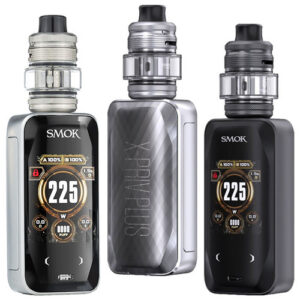
Regulated mods are strongly recommended for sub-ohm vaping, especially if you are new to it. They include built-in safety features like short-circuit protection, overheat protection, and low-resistance warnings that prevent dangerous situations. Our Devices collection includes a range of devices suited for sub-ohm vaping at various price points.
Sub-Ohm Tanks vs Rebuildable Atomizers
You have two main paths for sub-ohm vaping hardware. Sub-ohm tanks use pre-made coil heads that you swap out when they wear out. This is the easier, more convenient option. You buy replacement coils, screw them in, prime them with e-liquid, and you are ready to vape.
Rebuildable atomizers (RDAs and RTAs) let you build your own coils from wire and cotton. This gives you complete control over the vaping experience but requires knowledge of coil building, Ohm s Law, and battery safety. The learning curve is steeper, but many vapers find the process of building and experimenting deeply satisfying.
If you are new to sub-ohm vaping, start with a quality sub-ohm tank. You can explore our atomizer selection to find tanks compatible with your device.
Battery Safety Is Not Optional
This is where sub-ohm vaping demands your full attention. Low-resistance coils draw significantly more current from your batteries, and using the wrong batteries can be genuinely dangerous. Here are the non-negotiable rules:
- Use high-drain batteries rated for the current your setup demands. Sony VTC5A, Samsung 25R, and LG HG2 are popular and proven choices for sub-ohm vaping.
- Never use batteries with damaged wraps. A torn or nicked battery wrap can cause a short circuit. Re-wrap damaged batteries or replace them entirely.
- Carry batteries in a protective case, never loose in your pocket. A battery contacting keys or coins can short-circuit and vent, which means it releases hot gas and potentially catches fire.
- Use a dedicated external charger rather than charging batteries inside your mod. External chargers monitor each cell individually and charge more safely.
- Marry your batteries if using a dual-battery mod. This means buying two batteries at the same time, always using them together, and always charging them together. This keeps them balanced and safe.
What Is the Best E-Liquid for Sub-Ohm Vaping?
Sub-ohm vaping works best with high-VG e-liquids. A ratio of 70% VG to 30% PG or even 80/20 is ideal. VG (vegetable glycerin) is thicker and produces more vapor, while PG (propylene glycol) is thinner and carries flavor more effectively. The 70/30 ratio gives you the best of both worlds: dense clouds with strong flavor.
Nicotine strength matters a lot in sub-ohm vaping. Because you are vaporizing and inhaling much more e-liquid per puff, the nicotine delivery is amplified. Most sub-ohm vapers use 3mg or 6mg nicotine strength. Using 12mg or higher in a sub-ohm setup will deliver an extremely harsh throat hit that most people find unpleasant.
Nicotine salts are generally not recommended for sub-ohm setups. They are formulated for low-wattage devices and the high nicotine concentrations (typically 25-50mg) would deliver dangerously high nicotine levels when sub-ohmed. Stick to freebase nicotine at low concentrations.
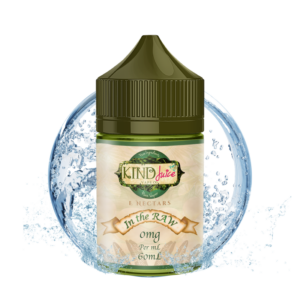
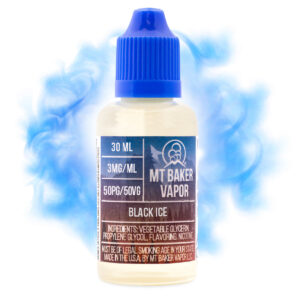
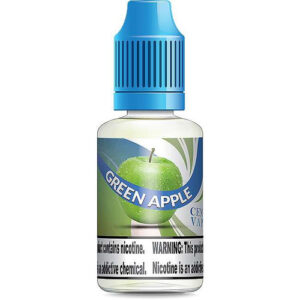
Browse our e-juice collection for high-VG options specifically suited for sub-ohm vaping from top brands.
Cloud Chasing Tips: How to Maximize Your Clouds
Cloud chasing is both an art and a science. While having the right equipment is essential, technique plays an equally important role. Here is how to get the biggest, densest clouds from your sub-ohm setup.
Airflow Management
Open your airflow wide for maximum cloud production. More air flowing over the coil means more vapor carried out of the device. However, completely open airflow can dilute flavor. Find the balance point where you get impressive clouds without sacrificing the taste of your e-liquid.
The Lung Hit Technique
Sub-ohm vaping uses a direct-to-lung (DTL) inhale rather than the mouth-to-lung (MTL) technique used with cigarettes and pod systems. With DTL, you breathe the vapor directly into your lungs like taking a deep breath. This takes practice if you are coming from MTL vaping, but it becomes natural within a few sessions.
Start with a steady, moderate inhale lasting about 3-4 seconds. Do not force it. Let the vapor flow naturally. Exhale slowly and steadily for the densest-looking cloud. Blowing hard actually disperses the cloud and makes it look thinner.
Wattage Sweet Spot
Every coil has an optimal wattage range, usually printed on the coil itself. Start at the low end of the recommended range and work up in 5-watt increments until you find the sweet spot where flavor and vapor production peak. Going above the recommended range burns cotton faster, degrades flavor, and shortens coil life.
E-Liquid Temperature
Room temperature e-liquid produces the best results. Cold e-liquid is thicker and does not wick as efficiently, which can cause dry hits. In winter, let your e-liquid warm up to room temperature before filling your tank.
Safety Guidelines Every Sub-Ohm Vaper Must Follow
Sub-ohm vaping is safe when done responsibly, but ignoring safety fundamentals can lead to serious problems. These are not suggestions; they are requirements.
Know Your Battery Limits
Calculate the current draw of your setup and make sure it falls within your battery s continuous discharge rating (CDR). The formula is simple: Amps = Watts divided by Voltage. For a 100-watt setup on a fully charged 4.2V battery, that is approximately 24 amps. You need a battery rated for at least 25 amps continuous discharge.
Check Your Coil Before Firing
On regulated mods, the device reads coil resistance before firing and will refuse to fire if something is wrong. Always glance at the resistance reading before you take your first puff with a new coil. If the reading seems abnormally low or jumps around, something is wrong with the coil or connection.
Stay Hydrated
VG is hygroscopic, meaning it attracts and absorbs water. Sub-ohm vaping with high-VG liquid can dehydrate you faster than you might expect. Drink extra water throughout the day, especially during extended vaping sessions. Dehydration from vaping is common and easily prevented.
Proper Ventilation
Sub-ohm vaping produces dense clouds that can fill a room quickly. Vape in well-ventilated areas, both for your own comfort and out of courtesy to others. If you are vaping indoors, crack a window or use a fan to keep air circulating.
Common Sub-Ohm Vaping Problems and How to Fix Them
Dry Hits
Dry hits taste burnt and harsh. They happen when the cotton in your coil dries out before the next puff. Solutions include using higher-VG e-liquid (which wicks more slowly but retains more), waiting longer between puffs, and reducing your wattage slightly. Always prime new coils by saturating the cotton with e-liquid and waiting 5-10 minutes before the first puff.
Spitback
Spitback occurs when tiny droplets of hot e-liquid pop through the drip tip and hit your mouth or lips. It usually means your coil is flooding with too much liquid. Increasing your wattage slightly will vaporize the liquid more completely. You can also try a longer, steadier draw rather than short, sharp puffs.
Muted Flavor
If your flavor suddenly becomes dull or muted, your coil is probably gunked up and needs replacing. Sweet and dark-colored e-liquids are the worst offenders for coil buildup. On average, a sub-ohm coil lasts 1-3 weeks depending on usage and e-liquid type.
Is Sub-Ohm Vaping Right for You?
Sub-ohm vaping is not for everyone, and that is perfectly fine. If you prefer a tight, cigarette-like draw with minimal vapor, a pod system or MTL tank will serve you better. Sub-ohm vaping excels for people who want maximum flavor, enjoy large vapor production, and do not mind the slightly higher e-liquid consumption and maintenance requirements.
If you are ready to explore sub-ohm vaping, start with a reliable regulated mod and a quality sub-ohm tank. Learn the basics of battery safety before anything else. And most importantly, take it slow. There is no rush to chase the biggest clouds right away. Build your knowledge and skills gradually, and the clouds will follow.
Check out our full range of latest vaping devices and starter kits to find the right setup for your sub-ohm journey.